
[TOC]
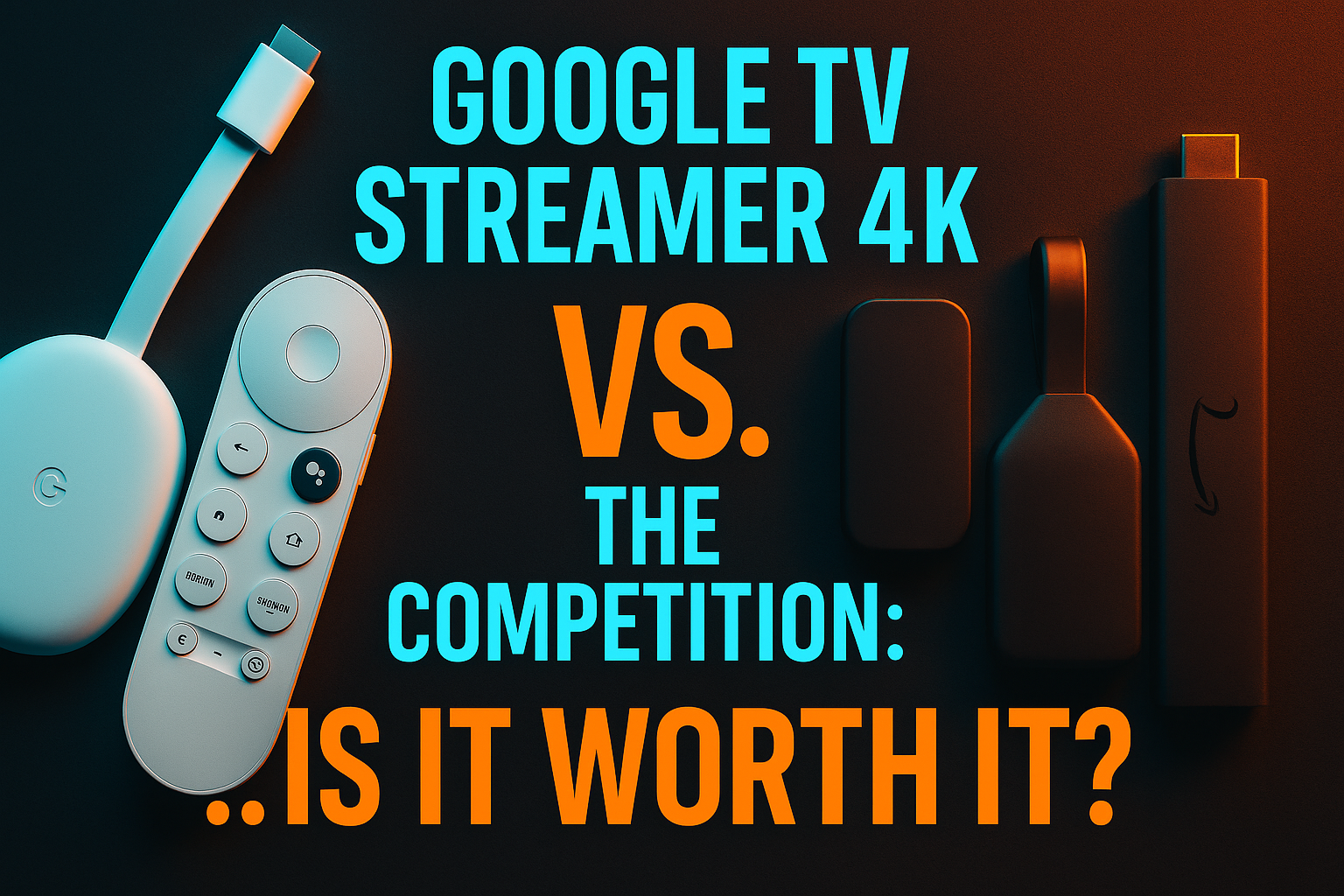
Google TV Streamer 4K review — the one you actually need before spending your money. I’ve had this box running behind my LG OLED for three months, testing everything from IPTV playback and sideloading friction to real-world HDR performance and honest competitor comparisons. Most coverage out there is either a spec-sheet recap or a thinly disguised deal post. This isn’t that. Here’s exactly how it performs for cord-cutters in 2026.
The short version: genuinely capable device. Whether it belongs in your setup, though, depends heavily on how you actually watch TV.
Google TV Streamer 4K Review: Why This Device Deserves a Closer Look
What Changed From Chromecast to Google TV Streamer
Google’s streaming hardware history is, frankly, a bit of a mess. For years, the Chromecast line was built around the idea that your phone does the heavy lifting — a dongle you’d cast content to, not a standalone device with its own interface. That worked fine in 2015. By 2024, it felt like a workaround that nobody had bothered to fix.
The Google TV Streamer flips the model entirely. It’s a proper set-top box — rectangular, sits flat behind your TV, and runs Google TV as a full interface rather than a cast overlay. A physical remote with voice search and hands-free Google Assistant support ships in the box from day one, not as a $30 accessory you have to hunt down separately.
Internally, the jump is significant too. The old Chromecast with Google TV used a relatively modest processor that showed its age under heavier workloads. The Streamer ships with Google’s own S5 Gen 2 chipset, 4GB of RAM, and 32GB of onboard storage. You actually feel that upgrade in daily use — no more sitting there watching a menu screen slowly load.
Who This Device Is Actually Built For
Any honest Google TV Streamer 4K review has to be upfront about the target audience: Google is pitching this at households already deep in the Google ecosystem — people with Nest speakers, Google Home setups, Android phones. The integration is tight, genuinely so — asking Google Assistant to dim the living room lights while a show starts works without any configuration headaches.
Cord-cutters running IPTV or sideloaded apps are a different audience, though. Honestly, Google hasn’t fully committed to serving them. The platform runs Android TV 14 underneath, which means app compatibility is solid — but Google’s content-first home screen occasionally gets in the way of power users who couldn’t care less about their Watch Next row. More on that shortly.
Hardware Deep Dive: Specs That Actually Matter for Streaming
Processor, RAM, and Storage: How It Handles Heavy Loads
One thing this Google TV Streamer 4K review keeps coming back to is raw performance. The S5 Gen 2 chip is a step above what you’ll find in most budget and mid-range streamers. In practical terms: 4K HDR streams load faster, app switching is noticeably snappier, and I haven’t hit a single buffering event during playback — assuming the network cooperates, obviously.
4GB of RAM is the real win. TiviMate running a 12,000-channel playlist, a VPN active in the background, and Google TV’s ambient mode all going simultaneously? The device handles it without complaint. Compare that to a 2GB device straining to keep apps in memory and the difference is tangible — especially during channel switching.
32GB of storage is plenty for most setups. After the system partition and preinstalled apps, you’re realistically working with around 20GB free. That’s enough for several IPTV apps, a VPN client, and a media player like MX Player or VLC without ever stressing about space.
4K, HDR, and Dolby Atmos: Real-World Performance
The Google TV Streamer supports 4K @ 60fps, HDR10+, Dolby Vision, and Dolby Atmos — the full modern codec stack. On my LG OLED C3, Dolby Vision titles look exactly as good as they should. No upscaling tricks needed since the device outputs natively at whatever resolution your display supports.
One thing I genuinely appreciate: automatic frame rate matching. Switch from a 24fps film to a 60fps sports stream and the Streamer adjusts its output without you touching a settings menu. Sounds minor. It’s the kind of detail that separates a thoughtfully designed device from a cheap one.
Audio passthrough works correctly for Dolby Atmos over HDMI ARC. I ran this through a Sonos Arc soundbar and had zero configuration pain — the device detected the format and passed it through cleanly on first connection.
Remote, Ports, and Physical Design
The remote is one of the best Google has ever shipped. Dedicated buttons for YouTube and Netflix (which some people love, others find infuriating), a mute mic button for privacy-conscious users, and hands-free “Hey Google” support baked in. Build quality feels genuinely premium — no flex, no cheap plastic rattle.
The physical ports are where the Streamer pulls ahead of dongle-style competitors. You get:
- HDMI 2.1 output — full 4K@60fps with VRR support for gaming use cases
- USB-A port — useful for sideloading via USB drives or attaching external storage
- Ethernet port — this alone separates it from most streaming sticks
- USB-C power input
The Ethernet port matters a lot for IPTV users specifically, and it’s one of the strongest arguments in this Google TV Streamer 4K review. Wired connections cut out the packet loss and signal interference that causes buffering and audio dropouts on Wi-Fi — especially with live TV, where a two-second hiccup is far more noticeable than it is during on-demand playback. On a 200Mbps wired connection, every IPTV stream I tested played without a single issue.
IPTV and Sideloading on Google TV Streamer 4K
Best IPTV Players That Run Smoothly on Google TV
Because the Google TV Streamer 4K runs Android TV underneath, most Android TV-compatible IPTV players work here without friction. I tested several over the past few months as part of this Google TV Streamer 4K review, and the experience varies more than you’d expect. Check out my full breakdown of the best IPTV players for Android TV and Firestick in 2026 for deeper comparisons, but here’s the quick version for the Streamer specifically:
- TiviMate — still the gold standard for M3U playlist users. Runs beautifully on the Streamer with no hiccups even on 10,000+ channel playlists.
- IPTV Smarters Pro — good Xtream Codes support, slightly heavier UI, but stable on this hardware.
- GSE Smart IPTV — solid fallback option, particularly strong for EPG management.
- Perfect Player — lightweight and fast, worth keeping as a backup player.
All four are available through sideloading. TiviMate is also available directly in the Google Play Store on Android TV devices, which makes setup considerably easier than on a Firestick where sideloading is the only route.
How to Sideload APKs on Google TV Streamer 4K
Google TV’s sideloading situation is a step more restrictive than older Android TV hardware — but still absolutely doable. Two main approaches:
- Downloader App — Install Downloader from the Play Store, enable “Install unknown apps” for it in Settings > Apps (this is buried in settings, annoyingly), then paste the APK URL. Easiest method and works for most IPTV apps.
- ADB (Android Debug Bridge) — Enable developer options, turn on ADB debugging, and push APKs from a PC. More technical, but useful for apps that Downloader struggles to fetch cleanly.
One important flag: Google TV on the Streamer enforces a “restricted settings” mode for sideloaded apps, which means some apps can’t request accessibility permissions without extra steps. This doesn’t affect IPTV players, but it’s something to know if you’re installing other utility apps beyond your core streaming setup.
Before sideloading anything, read through my guide on sideloading APKs safely — there are risks most guides gloss over, particularly around APK source verification.
TiviMate and IPTV Smarters Pro: Performance Compared
Running both apps side-by-side on the Streamer, TiviMate wins on performance and interface polish. Channel switching clocks in under 2 seconds on most streams, and the EPG guide loads without the lag I’ve seen on lower-spec devices. Clean and fast.
IPTV Smarters Pro performed well too, particularly for providers using Xtream Codes API rather than raw M3U playlists. The UI is less refined, but the account management features make it a better pick for anyone juggling multiple IPTV subscriptions from a single app.
New to TiviMate? Don’t skip the initial configuration — a handful of settings dramatically improve the experience. My TiviMate settings guide covers exactly which ones to change first.
Google TV Streamer 4K vs. the Real Alternatives
Google TV Streamer 4K vs. Amazon Firestick 4K Max
This is the comparison most people actually want. Both devices target the same cord-cutter audience and they’re priced within shouting distance of each other — the Streamer retails around $99–$109, while the Firestick 4K Max typically runs $59–$69 on sale.
| Feature | Google TV Streamer 4K | Firestick 4K Max |
|---|---|---|
| RAM | 4GB | 3GB |
| Storage | 32GB | 16GB |
| Ethernet | Yes (built-in) | No (adapter needed) |
| USB-A port | Yes | No |
| TiviMate via Play Store | Yes | No (sideload only) |
| Sideloading ease | Moderate | Easy |
| Price (MSRP) | ~$109 | ~$59–$69 |
The Firestick is easier to sideload out of the box — Amazon has always been more permissive about third-party apps, partly because they’re selling their own competing content and don’t mind you using the hardware however you like. For pure IPTV use, both devices work well. The Streamer’s built-in Ethernet and extra gigabyte of RAM give it a real stability edge, though.
Google TV Streamer 4K vs. NVIDIA Shield TV Pro
The NVIDIA Shield TV Pro — around $199 as of mid-2025 — is the performance king of the Android TV category. Tegra X1+ chip, AI upscaling, two USB-A ports, and the only device here that doubles as a proper gaming console via GeForce NOW.
For pure IPTV and streaming, the Shield is overkill. You’re paying for features most cord-cutters won’t touch. The Google TV Streamer handles 4K HDR streaming just as well at roughly half the price. Where the Shield wins clearly is gaming, local media server use (Plex and Emby run noticeably better), and long-term software support — NVIDIA has been updating Shield hardware since 2015, which is extraordinary by streaming device standards.
Run a Plex Media Server or game from the couch? Get the Shield. Want the best Google TV streaming box for IPTV and app-based cord-cutting? The Streamer is the smarter buy.
Google TV Streamer 4K vs. Onn 4K Pro Streaming Box
The Onn 4K Pro sits at $49.88 at Walmart. It also runs Google TV, has an Ethernet port, and — surprisingly — is one of the more sideload-friendly Google TV devices available. Budget cord-cutters, take note.
The Streamer beats it on raw performance, storage, and remote quality. But an Onn 4K Pro running TiviMate is a genuinely capable IPTV setup that costs about $60 less. Unless you specifically need the extra RAM headroom or smoother UI animations, the Onn is worth serious consideration if price is the priority.
VPN Performance on the Google TV Streamer 4K
Which VPN Apps Work Natively on Google TV
This is one area where the Streamer has a clear advantage over the Firestick: native VPN apps from the Play Store work without any sideloading required. I tested three major providers directly on the device:
- NordVPN — Native Android TV app, clean interface, installed in about 90 seconds flat.
- ExpressVPN — Solid TV-optimized UI, slightly easier to navigate for less technical users.
- Surfshark — Good value option, especially with unlimited simultaneous connections (yes, you really do need that if you’re protecting multiple streamers around the house).
All three worked without any configuration issues on the Streamer. Check out our dedicated VPN guides on IPTV Wire for deeper comparisons on which providers are fastest for streaming specifically.
Speed Impact: VPN On vs. Off for 4K Streams
On my 300Mbps connection, running NordVPN with a nearby server dropped download speeds to roughly 180–220Mbps — still more than enough for 4K streaming, which typically needs 25–50Mbps at most. Even with VPN active, zero buffering on 4K HDR streams.
Practical takeaway: if your base connection is above 100Mbps, a well-chosen VPN server won’t cause noticeable buffering on the Streamer. On slower broadband — under 50Mbps — router-level VPN setup is worth considering, so the encryption overhead is handled by your router hardware rather than the streaming device itself. Availability of that option varies by router model and ISP plan, obviously.
Where the Google TV Streamer 4K Falls Short
App Store Gaps Cord-Cutters Will Notice
Google TV’s Play Store is better stocked than the old Chromecast experience, but some apps are still frustratingly absent or only available as phone versions that don’t behave well on a TV screen. A few niche live TV apps either aren’t listed in the TV section of the Play Store or require sideloading the mobile APK — which often produces an interface clearly designed for a touchscreen, not a remote.
The Firestick’s Amazon Appstore, oddly enough, sometimes carries TV-optimized versions of apps that Google’s Play Store doesn’t — particularly for regional streaming services. Worth checking that your specific apps are available before pulling the trigger on the Streamer. It’s not a dealbreaker for most people, but it can be for niche service users.
Google’s Data Collection: What You’re Trading For Convenience
Google TV is deeply tied into Google’s ad ecosystem. Home screen recommendations are personalized based on your watch history, search activity, and account data. If you’re already using Gmail, YouTube, and Chrome daily, this isn’t new information — but it’s more visible on a television than on a phone.
You can limit some of this in Settings > Privacy. Full opt-out while staying signed into a Google account isn’t really possible, though. Privacy-conscious users already running a VPN for streaming should understand the distinction: the VPN protects your network traffic, but Google still sees your in-app activity within its own platform.
For users who want maximum privacy, the Onn 4K Pro runs the same Google TV software but felt slightly less aggressive about account sign-in prompts during initial setup — at least in my experience. Your mileage may vary.
Final Verdict: Should Cord-Cutters Buy the Google TV Streamer 4K?
Here’s how I’d break down the buy/skip/wait decision by user type:
- IPTV power user — Buy it. The Ethernet port, 4GB RAM, and TiviMate availability directly on the Play Store make this one of the strongest boxes for stable IPTV playback in 2026. Sideloading isn’t as frictionless as on a Firestick, but the hardware quality and wired connectivity more than compensate.
- Casual streamer — Buy it, especially if YouTube, Netflix, and Google services are your daily drivers. The interface is polished, the remote is excellent, and the thing just works without tinkering.
- Smart home integrator — Definitely buy it. Google Home integration is tighter here than on any competing streaming device right now. Already running Nest or Google Home hardware? The Streamer slots into that ecosystem almost invisibly.
- Budget cord-cutter — Skip it, look at the Onn 4K Pro instead. At $49.88, the Onn runs the same Google TV software and handles IPTV apps well. The $60 price difference is hard to justify unless you have a specific need the Onn can’t meet — and honestly, it has Ethernet too, so the gap is narrower than it first appears.
- Power user / Plex / gaming — Wait and get the NVIDIA Shield TV Pro. The Streamer can’t touch it on local media transcoding or gaming performance. Spend the extra money.
The Google TV Streamer 4K retails around $99–$109 and is available at Google’s official store as well as Best Buy, Target, and Walmart. Watch for sale pricing — it’s dropped to $79 at least a couple of times since launch, and at that price point it’s exceptional value.
Bottom line: this is the best Google TV streaming box available right now. For most cord-cutters, it’s a stronger purchase than a same-priced Firestick. Just go in knowing that sideloading takes a bit more effort than on Amazon’s platform, and that Google’s data collection is part of the deal you’re signing up for.
⚖️ Legal Disclaimer: IPTV Wire does not own or operate any streaming service, application, or website mentioned in this article. We do not verify whether third-party services carry proper licensing. Users are responsible for ensuring they comply with copyright laws in their jurisdiction.
Frequently Asked Questions: Google TV Streamer 4K
Does the Google TV Streamer 4K support IPTV apps like TiviMate?
Yes. TiviMate is available directly in the Google Play Store on the Google TV Streamer, which makes installation considerably easier than on a Firestick where sideloading is the only option. IPTV Smarters Pro and GSE Smart IPTV are also compatible, either via the Play Store or through sideloading using the Downloader app.
Can you sideload APKs on the Google TV Streamer 4K?
Yes, though it requires enabling “Install unknown apps” in device settings and using either the Downloader app or ADB from a PC. Google TV applies a “restricted settings” flag to some sideloaded apps, which can block accessibility permissions — but this doesn’t affect standard IPTV players like TiviMate or IPTV Smarters Pro.
Is the Google TV Streamer 4K better than the Firestick 4K Max?
For most cord-cutters, yes. The Streamer carries more RAM (4GB vs. 3GB), more storage (32GB vs. 16GB), a built-in Ethernet port, and TiviMate access directly from the Play Store. The Firestick is easier to sideload apps onto and costs around $40–$50 less at standard pricing, so budget-first buyers may still prefer it — availability and pricing vary by region and sale timing.
Does the Google TV Streamer 4K have an Ethernet port?
Yes — and it’s honestly one of the best reasons to choose it over a streaming stick. The built-in Ethernet port allows a direct wired connection, which improves IPTV stream stability significantly compared to Wi-Fi. Live TV channels in particular benefit from this, since packet loss on Wi-Fi causes buffering and audio sync problems that a wired connection largely eliminates.
Which VPNs work natively on the Google TV Streamer 4K?
NordVPN, ExpressVPN, and Surfshark all have native Android TV apps available in the Google Play Store and work on the Google TV Streamer without sideloading. All three handle 4K streaming speeds well on connections above 100Mbps, with minimal impact on playback performance in my testing. Speeds on slower connections will vary — Reddit users on sub-50Mbps lines report more noticeable slowdowns with VPN active.
